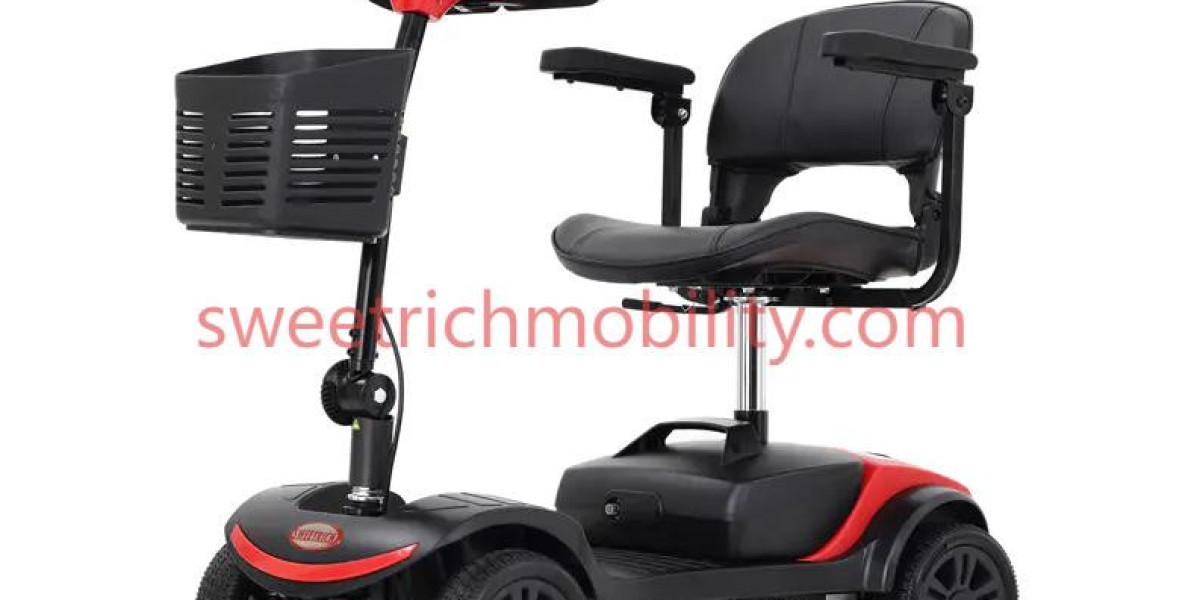

For businesses building practical mobility product lines, choosing the right Mobility Scooter Factory can influence how ideas move from early concepts toward finished products, and Sweetrichmobility provides a manufacturing setting where design communication, product requirements, and market considerations can come together. For distributors, retailers, and mobility businesses, this kind of cooperation can create space for thoughtful product planning without losing sight of everyday user needs.
Mobility scooters are closely connected with independence and convenient movement. Their value comes not simply from transportation, but from how naturally they fit into daily routines. A useful product needs to consider seating, controls, steering, frame structure, wheel arrangement, and the environments where people may use it.
Different customers can have very different expectations. Some may look for a scooter suitable for community activities, while others may place greater attention on storage, indoor maneuverability, outdoor movement, or travel convenience. These differences make product variety meaningful for businesses that want to build a mobility range suited to different purchasing preferences.
Product development can begin with a simple question: what problem should the scooter address? Once the intended use becomes clearer, manufacturers and buyers can discuss appropriate structural concepts, appearance, operating arrangements, and practical details. This collaborative approach helps keep product development connected with actual market requirements.
For B2B customers, customization may also be part of the conversation. Businesses can have different expectations for product appearance, configuration, packaging, labeling, and market positioning. A flexible manufacturing relationship allows these considerations to be discussed during product planning instead of being added only after development has progressed.
Material selection and construction are also closely related to product design. Every component contributes to the overall experience, from the frame and seating system to the wheels, controls, and protective elements. Coordinating these parts can help create a product that feels coherent in both appearance and operation.
Manufacturing cooperation is not limited to product creation. Communication around samples, revisions, inspection, packaging, and order preparation can influence how smoothly a project develops. Clear expectations between buyer and manufacturer can make it easier to address adjustments and maintain consistency throughout the process.
Market feedback can provide another useful source of direction. As distributors and retailers interact with customers, they may notice changing preferences concerning convenience, appearance, storage, controls, or everyday use. Sharing these observations with a manufacturing partner can support future product discussions and encourage continued refinement.
A mobility product also represents the business behind it. For distributors, the right product needs to fit naturally within an existing portfolio and communicate a clear purpose to potential buyers. Practical design and thoughtful presentation can work together to create a product that is easier to introduce and discuss within different markets.
The next mobility concept may begin with a conversation, a sketch, or a simple idea about what customers need. When that idea meets careful product planning and open manufacturing communication, it can gradually take shape as a finished solution.
Your next mobility concept could be waiting for a closer look. Visit https://www.sweetrichmobility.com/product/ , browse the product possibilities, and start your next conversation from there.


