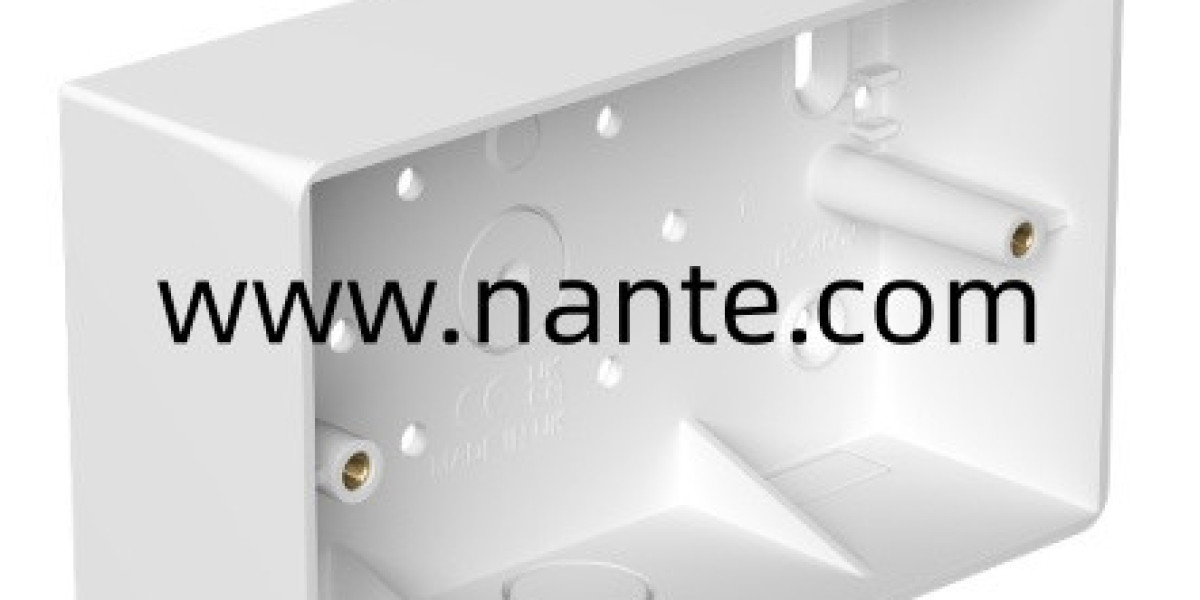

Electrical connection points are an important part of many industrial environments. They support machinery, tools, control equipment, service systems, and other electrical devices that need convenient access to power. The Socket Box from Nante is designed around this practical requirement, bringing connection components into an organized structure that can be integrated into different working environments.
A well-planned connection point can influence more than electrical access. Its position can affect cable movement, operator convenience, equipment arrangement, and maintenance routines. For this reason, the installation should be considered as part of the complete workspace rather than treated as an isolated electrical task.
Factory environments can vary considerably. Some installations are built around fixed production machinery, while others require flexible service areas where equipment may be moved or rearranged. A suitable enclosure can provide a defined location for electrical connections while allowing project teams to adapt the surrounding layout according to operational needs.
Cable organization is another important consideration. Electrical wiring needs to move between the connection point and the equipment it serves. A sensible entry and routing arrangement can help create a cleaner installation, making individual connections easier to identify and reducing unnecessary interference with nearby equipment.
Accessibility also has a direct relationship with everyday operation. Workers may need to connect tools, machinery, testing equipment, or temporary devices during normal activities. Positioning connection points thoughtfully can make these tasks more convenient while helping maintain a clear working area.
The physical structure of the enclosure can also contribute to installation organization. Internal components need to have sufficient space for connections and orderly arrangement. When the internal layout is considered alongside cable routing, technicians can work with a clearer view of the electrical system during installation and servicing.
Maintenance is another area that deserves attention. Electrical connection equipment may need periodic inspection, cleaning, adjustment, or component replacement. Convenient access to internal areas can help maintenance personnel complete routine work without unnecessarily affecting nearby production activities.
Different industries can bring different installation requirements. Manufacturing workshops, commercial facilities, processing areas, machinery zones, service locations, and infrastructure projects may all require electrical connection points. The surrounding equipment, installation surface, cable direction, and working conditions can influence the appropriate configuration.
Integration with other electrical equipment should also be considered. A connection enclosure may operate alongside distribution systems, control panels, switches, machinery, or other electrical devices. When these components are planned as part of a unified installation, the resulting workspace can become easier to navigate and maintain.
Future changes are worth considering as well. Production areas may be reorganized, new equipment may be introduced, or existing machinery may be relocated. A thoughtfully positioned connection point can provide useful flexibility when the workspace evolves, reducing the need to rethink the entire electrical arrangement whenever operational requirements change.
Good electrical planning is often found in the details that support everyday work. Clear cable paths, accessible connections, sensible positioning, and practical enclosure organization can collectively shape how comfortably an electrical system functions within a real workplace.
The next connection point in your project could be the beginning of a better-organized workspace. Visit https://www.nante.com/product/ and turn your installation requirements into a fresh electrical solution worth considering.


